Uzbekistan is one of those destinations that surprises families. It has fast, comfortable trains, a genuinely warm attitude toward children, an amusement park that locals compare to Disneyland, and turquoise mountains an hour from the capital. It also has fierce summer heat, cobblestone old towns that fight strollers, and food that some kids take to instantly and others eye with suspicion. This guide walks through what actually works when you travel here with children, from toddlers to teens, and where to plan around the rough edges.
Why Uzbekistan is easier with kids than you expect
Uzbek culture is openly, unselfconsciously fond of children. Families travel together across generations, and a foreign toddler in a bazaar will collect smiles, sweets, and offers to hold the baby within minutes. Restaurant staff seat kids without fuss, strangers help lift a pushchair over a step, and no one blinks at a child running around a courtyard restaurant. If you have traveled somewhere that treats kids as an inconvenience, this is the opposite.
Practically, the country is well set up for a family route. The high-speed Afrosiyob train links Tashkent, Samarkand, and Bukhara in a few comfortable hours, so you avoid long car days. Distances between the headline sights are short, safety isn’t a serious concern (see our honest take on whether Uzbekistan is safe), and English is spreading among younger staff in tourist areas. The main things you have to manage are heat, pacing, and the gap between beautiful old cities and stroller-friendly pavement.
Kid-friendly things to do, city by city
The classic Uzbekistan itinerary is built around mosques and madrasahs, which can wear thin for younger children after the third one. The trick is to mix the grand monuments with hands-on, physical, or slightly silly experiences. Every city here has both.
Tashkent
The capital is where kids recharge. Magic City is a 21-hectare all-season theme park often described as Uzbekistan’s Disneyland, with a fairytale-castle centerpiece, imported European rides, arcade games, and an evening musical fountain show with lasers and projections. Entrance to the park grounds is free; you pay per ride, roughly 30,000 to 80,000 UZS each, with arcade games from about 10,000 UZS (last checked: July 2026). It also holds Central Asia’s first aquarium, a 20-metre tunnel with sharks and over 100 species. Go on a weekday evening, around 6 to 9 pm, for cooler air and the fountain show.
Beyond Magic City, the Tashkent Metro is a genuine attraction in itself: cheap, cool, and every station is decorated like an underground palace, which most kids find far more fun than another monument. Ride a few stations just to look. Add the aquapark options in summer and a wander through Chorsu Bazaar, where the food stalls and the sheer sensory overload keep children busy. Our full Tashkent travel guide maps these out by neighbourhood.
Samarkand and Bukhara
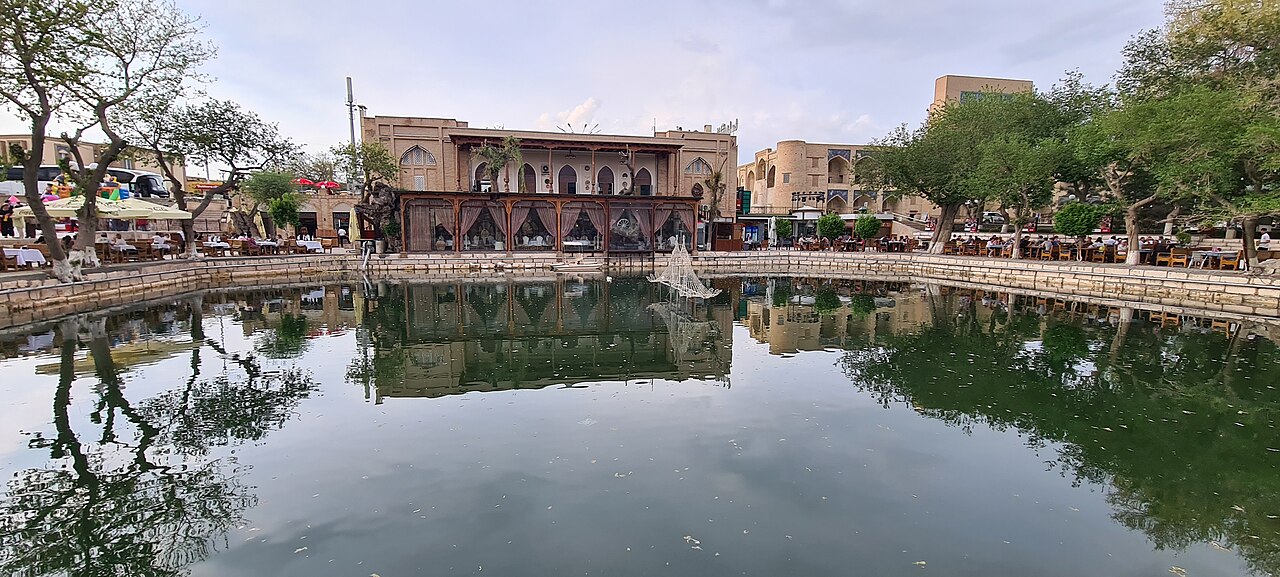
These are the postcard cities, and the monuments are worth the trip even with kids. Registan Square in Samarkand is vast enough that children can walk it freely, and the tilework genuinely impresses at any age. Keep visits short and reward them: an ice cream after each site works wonders. In Bukhara, the old town is compact and largely traffic-free, so children can roam between the ponds, domed bazaars, and the photogenic Ark fortress. Both cities have plenty of open courtyards where a restless kid can burn energy while you finish tea. For the wider menu of experiences, see our roundup of the best things to do in Uzbekistan.
Mountains, lakes, and yurt camps
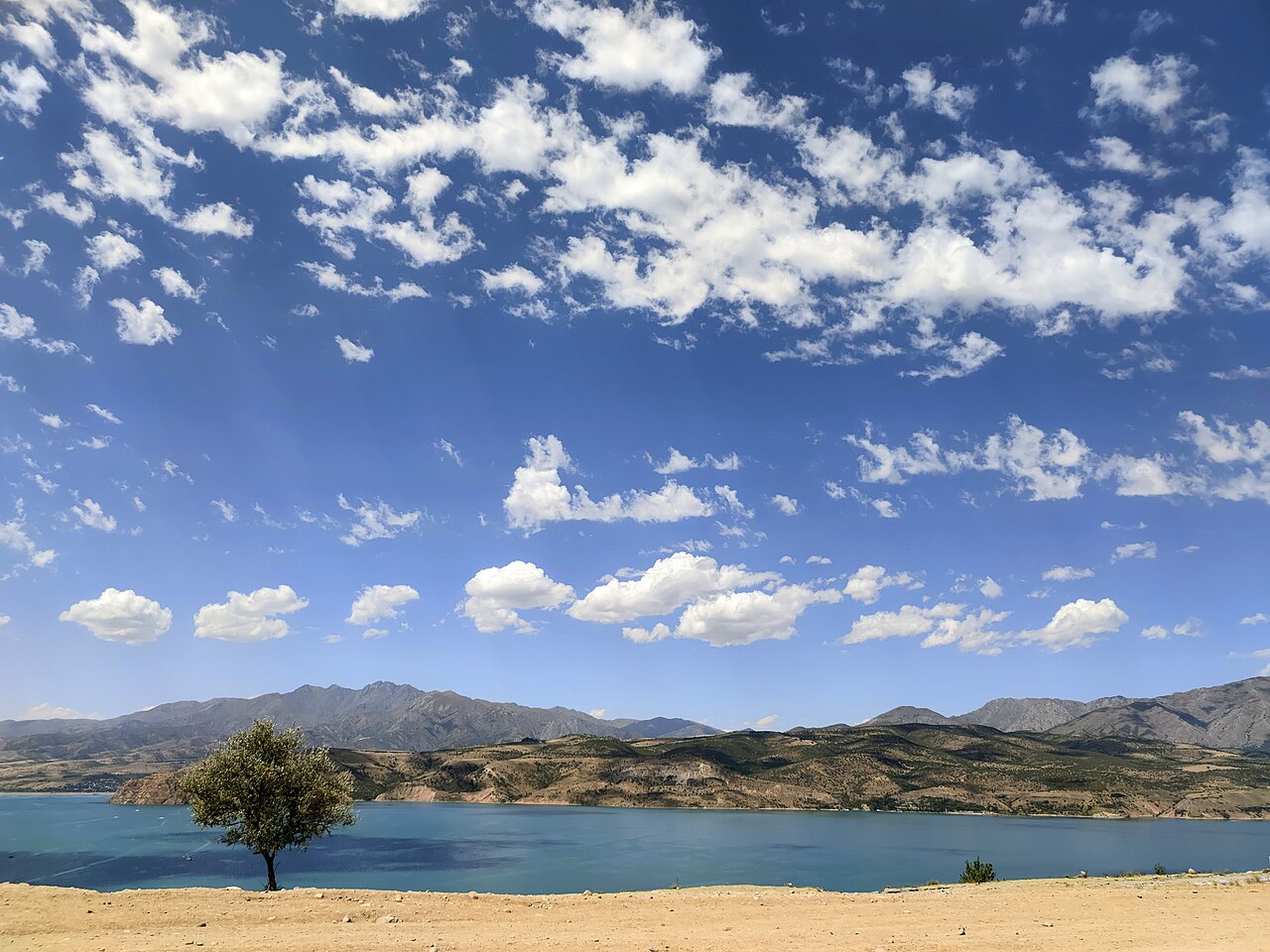
Kids often remember the outdoor days most. Charvak Reservoir, a turquoise lake about 1.5 hours from Tashkent, has proper sandy beaches, water warm enough to swim in through summer, sun loungers and tents for rent, and gentle boat rides (last checked: July 2026). It pairs naturally with the Chimgan mountains and a chairlift ride, all covered in our Chimgan and Charvak day trip guide. Further out, a night in a desert yurt camp near the Aydarkul lakes or Nurata delivers the trip’s highlights for many families: short camel rides, campfires, star-filled skies, and space to run. One yurt night is plenty; the toilets are basic and the beds are simple.
The trains themselves
Don’t underestimate the appeal of the train. The Afrosiyob is fast, air-conditioned, and has a snack trolley, and for a lot of kids the ride between cities is an activity rather than dead time. Book a table seat if you can, bring a deck of cards, and the transfers take care of themselves. Details on classes and booking are in our getting around Uzbekistan guide.
Managing heat, food, and health
These three practicalities decide whether a family trip runs smoothly. None is a dealbreaker, but each rewards a little planning.
Heat
July and August routinely hit the high 30s and often 40°C-plus, which is a lot for small children. If you can, travel in spring (April to early June) or autumn (September to October) instead; our best time to visit guide breaks the seasons down. If you’re locked into summer, run the trip on a siesta rhythm: sightsee early, retreat to an air-conditioned room or a shaded lunch from about noon to four, then go out again in the cool evening when Uzbek families themselves come out. Carry more water than you think, sun hats, and high-factor sunscreen, and treat shade as non-negotiable.
Food
Uzbek food is meat-heavy but surprisingly kid-friendly at its core. Plov (rice with carrots and lamb) is mild, non and other breads are everywhere and universally loved, and skewered shashlik, dumplings (manti), and noodle soups (lagman) cover most tastes. Fresh fruit in season is excellent and cheap. Picky eaters survive easily on bread, plain rice, yoghurt, cucumbers and tomatoes, and the plentiful ice cream. Bring a few familiar snacks for travel days. Tap water isn’t reliable for drinking, so stick to bottled water for everyone, use it for brushing teeth if your child tends to swallow, and be a little cautious with unpeeled raw salads early in the trip while stomachs adjust.
Health and pharmacies
Pharmacies (apteka) are common in every city, well stocked, and cheap, and pharmacists often speak some Russian and increasingly some English. Basic children’s medicines, rehydration salts, and plasters are easy to buy, but bring anything specific your child relies on, since exact brands vary. Pack a small kit with rehydration sachets, child paracetamol or ibuprofen, and anti-diarrhoea basics. The most likely issues are heat and mild stomach upset rather than anything exotic. Private clinics in Tashkent are good; take out travel insurance that covers children before you go. Check current entry and any health requirements with your government’s travel advisory before travelling, as these change.
Transport, strollers, and cobblestones
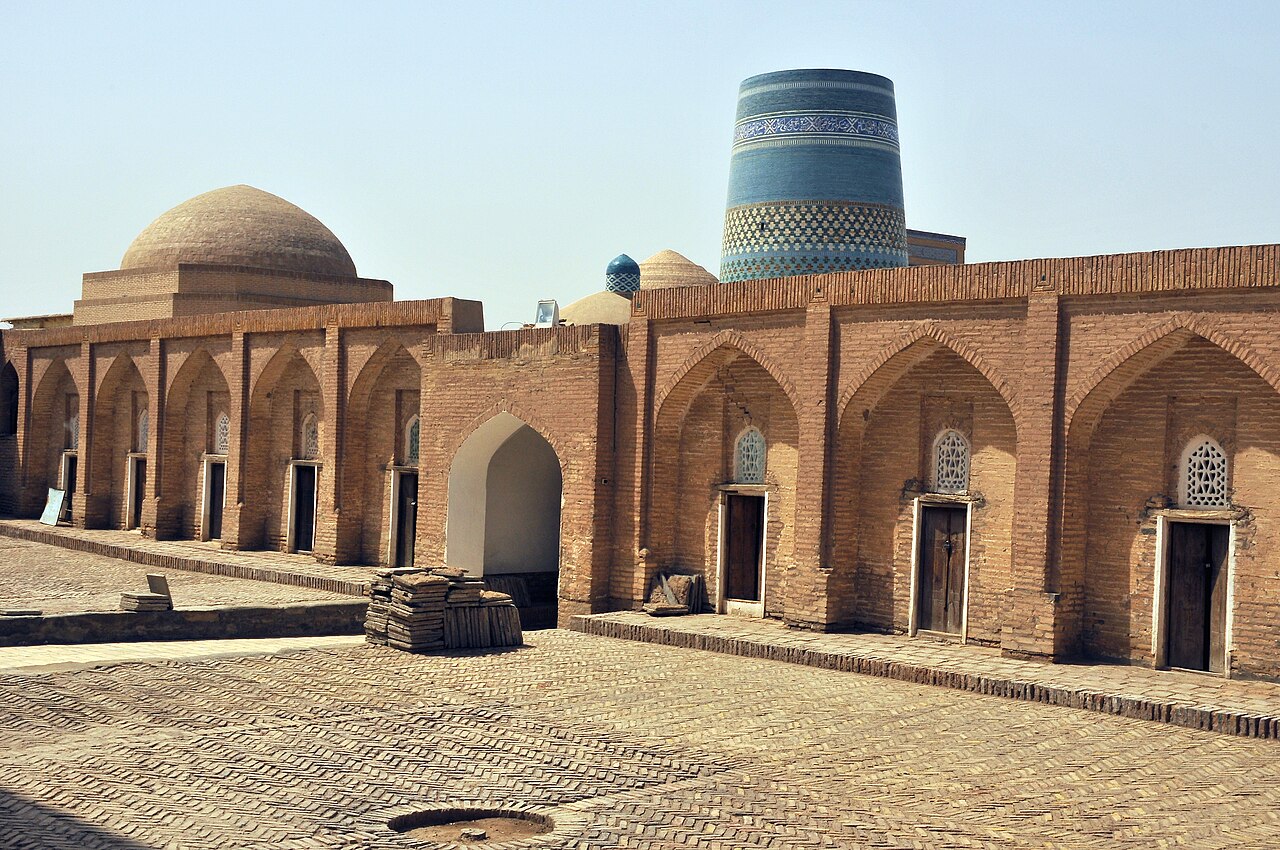
Here is the honest part. The historic centres of Samarkand, Bukhara, and Khiva are beautiful precisely because they’re old, which means uneven stone, cobbles, steps, and thresholds that a stroller hates. A big-wheeled buggy copes better than a lightweight umbrella fold, but for toddlers a soft carrier or hip-seat is the real answer in the old towns and saves endless lifting. Use the stroller for train stations, malls, parks, and modern Tashkent; use the carrier for the medieval bits.
Getting around town, the Yandex Go app works like Uber and is cheap and easy, though drivers rarely have child seats, so many families bring a lightweight travel booster or accept short in-town rides without one and judge the risk themselves. For intercity travel, the trains beat cars for comfort with kids. Distances feel manageable, and you can often reach the next city before anyone melts down.
Where to stay with a family
Uzbekistan’s signature accommodation is the boutique courtyard guesthouse in a converted merchant’s house, and these are wonderful with children: a central courtyard becomes a safe playground while you sit nearby. The trade-off is that rooms are sometimes small and stairs are steep, so ask ahead about family rooms and whether they can add a bed. Larger international-standard hotels in Tashkent and Samarkand offer pools, lifts, and reliable air conditioning, which matter more in summer. Family rooms and triples are widely available and good value.
A pool is worth prioritising if you’re travelling in the heat, both to cool off and to give kids a low-stakes afternoon activity. Our where to stay in Uzbekistan guide covers neighbourhoods and property types city by city. Book family rooms early in spring and autumn, when the best guesthouses fill.
Pacing a family itinerary
The single biggest mistake is trying to match an adult sightseeing pace. Aim for one major sight per day, plus one active or fun thing, plus downtime. Ten days is a comfortable length; seven works if you skip Khiva. Here is a realistic, unhurried shape for a first family trip.
| Days | Base | Family focus |
|---|---|---|
| 1–3 | Tashkent | Metro ride, Chorsu Bazaar, Magic City evening, ease into the time zone |
| 4 | Day trip | Charvak lake beach or Chimgan mountains and chairlift |
| 5–6 | Samarkand | Afrosiyob train, Registan in short bursts, ice cream rewards |
| 7 | Nurata area | Yurt camp, camel ride, campfire, one night only |
| 8–9 | Bukhara | Traffic-free old town, ponds, domed bazaars, slow pace |
| 10 | Return | Fly or train back to Tashkent |
Build in a rest morning every few days, keep monument visits under an hour, and let the kids pick one thing daily. A trip that looks slightly lazy on paper is usually the one everyone enjoys.
Frequently Asked Questions
What is the best age to bring kids to Uzbekistan?
Any age works, but the sweet spot is roughly 5 to 12, when children can walk the sites, remember the camels and trains, and enjoy the theme parks without needing constant naps. Toddlers are entirely doable with a carrier and a relaxed plan; you simply build the day around their rhythm. Teenagers tend to like the bazaars, the food, and the photogenic old cities more than they expect.
Is the summer heat too much for children?
July and August are genuinely hot, often over 40°C, which is hard on small kids. It’s not impossible, but it demands a siesta rhythm, air conditioning, and constant hydration. If your dates are flexible, spring and autumn are far more comfortable and are the seasons we recommend for families.
Can I use a stroller in the old cities?
Partly. Modern Tashkent, malls, parks, and stations are fine, but the historic centres of Samarkand, Bukhara, and Khiva have cobbles, steps, and uneven stone that make a stroller hard work. Bring a sturdy buggy for the easy areas and a soft carrier or hip-seat for the old towns, and you’ll cover both comfortably.
Will my picky eater find food they like?
Almost certainly. Bread, plain rice, dumplings, grilled meat, yoghurt, fresh fruit, and ice cream are everywhere, and mild plov suits most kids. Stick to bottled water, ease into raw salads, and pack a few familiar snacks for train days, and mealtimes stay easy.
How many days do we need with kids?
Ten days gives a relaxed loop of Tashkent, Samarkand, Bukhara, a lake or mountain day, and a yurt night. Seven days works well if you skip Khiva and keep to Tashkent, Samarkand, and Bukhara. Avoid cramming more in; a slower pace is the difference between a happy trip and an exhausting one.
Are pharmacies and medical care reliable?
Pharmacies are plentiful, cheap, and well stocked in every city, and private clinics in Tashkent are good. Bring any specific medicines your child needs, since brands vary, pack a basic kit with rehydration salts, and take out travel insurance covering children before you leave.
The short version
Uzbekistan is a genuinely welcoming, rewarding place to travel with children. Plan around the heat, lean on the trains, mix monuments with theme parks, lakes, and camels, and keep the pace slow. Do that and you get a trip that feels adventurous and exotic without being a struggle, in a country where your kids will be treated as honoured guests from the first bazaar to the last.
Sources & Further Reading
Featured image: 26D (CC BY-SA 4.0) via Wikimedia Commons.