Short answer: yes, Uzbekistan is one of the safer countries you can travel through, and it consistently earns the mildest rating that major governments issue. Violent crime against tourists is rare, the streets feel calm even after dark, and hospitality toward guests is a genuine cultural value rather than a marketing slogan. That said, “very safe” isn’t the same as “nothing to think about.” A handful of petty scams, some registration paperwork, tap water you should not drink, and rough roads are all worth understanding before you go. Below we walk through the honest picture, section by section, so you know what actually deserves your attention and what doesn’t.
One thing up front: safety conditions and official advisories can change, so always cross-check your own government’s current guidance before you travel (more on where to look near the end). The notes here reflect the situation as of writing (last checked: July 2026).
The overall picture: how safe is Uzbekistan really?
As of mid-2026, the major English-speaking governments place Uzbekistan at their lowest risk tier. The US State Department lists it as Level 1: Exercise Normal Precautions, the same category applied to countries like Japan, Iceland and New Zealand. The UK, Australian and Irish advisories strike a similar tone, flagging only routine concerns such as petty crime, road conditions and the odd bureaucratic requirement rather than any broad threat to visitors. In several recent solo-female-travel safety rankings, Uzbekistan has landed near or at the top worldwide.
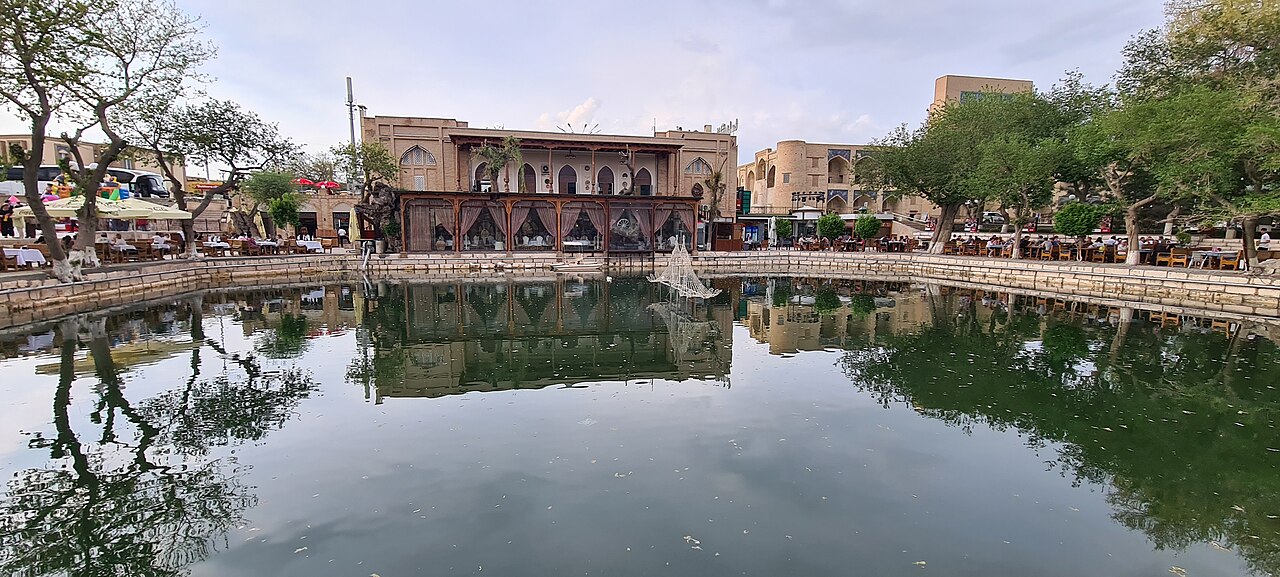
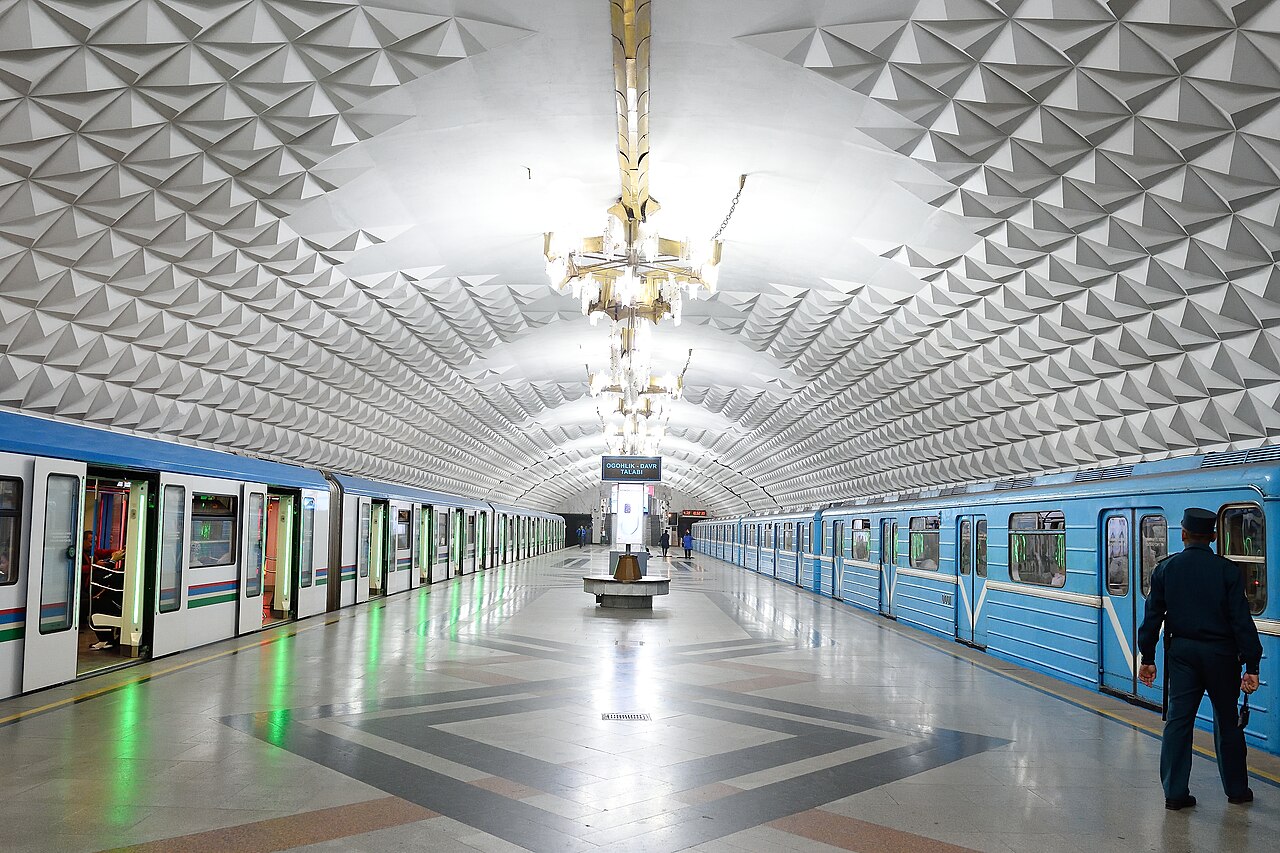
On the ground this translates into a country where you can wander the old towns of Samarkand and Bukhara, ride the metro in Tashkent, and sit in a chaikhana late into the evening without feeling on edge. There’s a visible police presence around major sites and transport hubs, and the political situation has been stable. The realistic risks are the ordinary travel kind: someone trying to overcharge you, an upset stomach, or a nerve-jangling taxi ride, none of which should keep you home.
Crime and common scams
Serious crime targeting foreigners is uncommon. What you’re far more likely to meet is low-level opportunism, concentrated in the busiest tourist areas. Keep your wits about you in crowded bazaars, on packed public transport, and around popular monuments, and you’ll almost certainly be fine. The scams that come up most often are:
- Taxi overcharging. By far the most common annoyance. Drivers quote inflated fares to obvious visitors, especially at airports and train stations, and occasionally try to renegotiate upward at the end of a ride. The simplest fix is to use a ride-hailing app such as Yandex Go, which locks the price in advance, or to agree on a fare clearly before you get in.
- Money changing. Uzbekistan’s currency situation has normalized in recent years, so there’s little reason to use street changers. Stick to banks, official exchange counters and ATMs, count your notes, and ignore anyone offering a “special” rate on the pavement.
- Pickpocketing. Rare but not unknown in dense crowds. A zipped bag worn in front and a hotel safe for your passport and spare cash handle this comfortably.
- The “found money” trick. A stranger claims to have found a wad of cash on the ground and invites you to help “split” it, a setup that ends with you being parted from your own money. Just walk away.
- Online and romance scams. Not widespread, but treat any online contact who eventually asks for money, or anyone claiming to be an official demanding payment, with firm skepticism.
None of this is unique to Uzbekistan, and none of it’s aggressive. Knowing roughly what a fair taxi fare should be goes a long way, and our Uzbekistan travel costs guide gives you realistic price benchmarks so an inflated quote is easy to spot. For getting around without the airport-taxi hassle, see getting around Uzbekistan.
Solo and female travelers
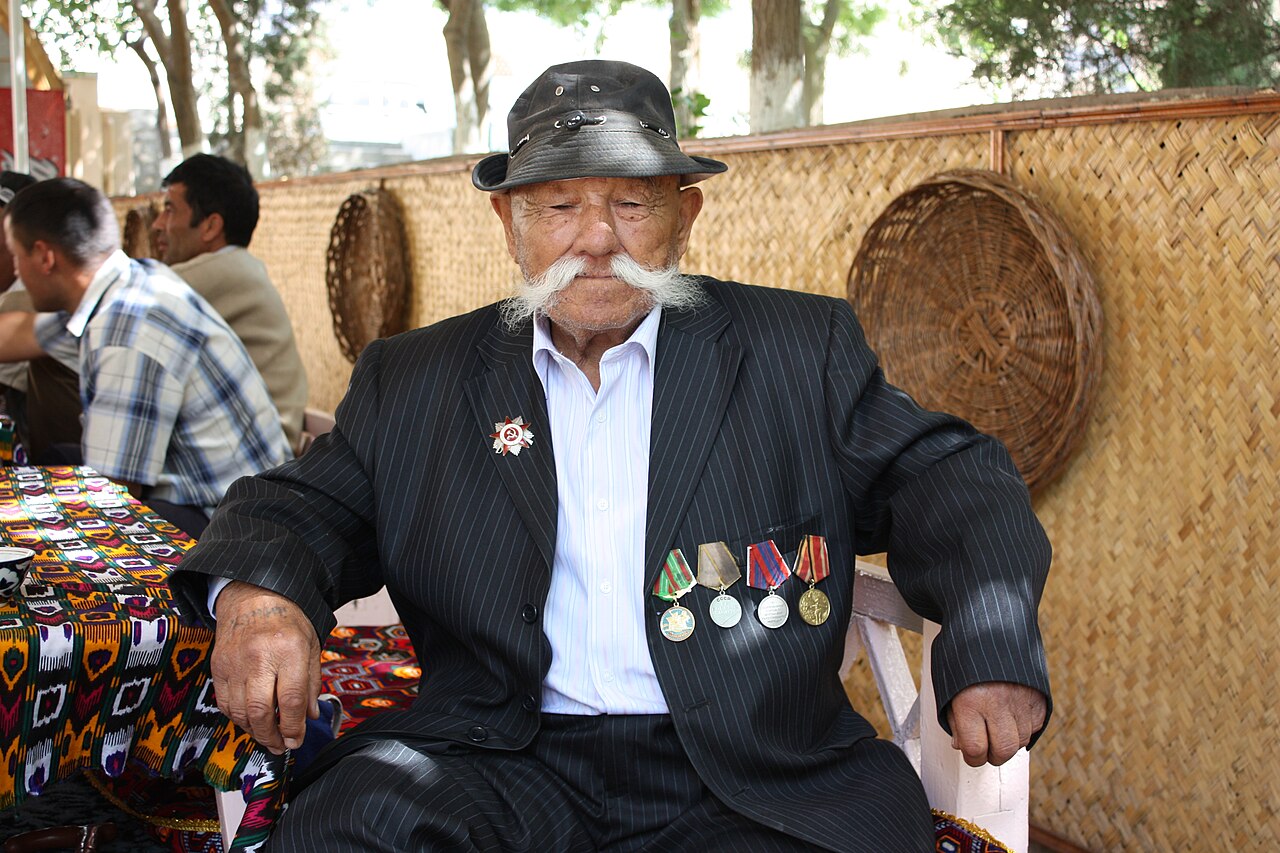
Uzbekistan has become a genuine standout for solo travel, and women who travel alone here overwhelmingly report feeling welcomed and treated with respect. Catcalling is uncommon compared with many other destinations, harassment is rare, and locals are often more curious and hospitable than anything else, frequently inviting travelers for tea or help with directions. This is a big part of why the country keeps topping solo-female-safety indexes.
That doesn’t mean switching off your usual travel instincts. A few sensible habits keep the experience smooth:
- Dress on the modest side. Covering shoulders and knees is expected at mosques and mausoleums and appreciated generally. It fits the culture and also reduces unwanted attention. Our Uzbek culture and etiquette guide covers this in more detail.
- Use apps for transport. Book cars through a ride-hailing app rather than flagging down unmarked private vehicles, particularly at night.
- Expect a little bazaar banter. Vendors can be persistent and the occasional comment happens, but it’s rarely threatening. A polite, firm “no thanks” is enough.
- Trust the ordinary precautions. Share your itinerary with someone at home, keep your phone charged, and stay in reviewed, registered accommodation.
Staying connected makes solo travel far easier, both for maps and ride-hailing and for checking in with people at home. Sorting out data on arrival is simple, and our Uzbekistan SIM card and internet guide walks you through the options.
Health and water
The single most useful health rule: don’t drink the tap water. It’s not considered safe anywhere in the country. Buy sealed bottled water, which is cheap and everywhere (roughly USD 0.40 to 1.20 for a large bottle), use it for brushing your teeth too, skip ice of unknown origin, and be a little cautious with raw produce and street food that may have been rinsed in tap water. An upset stomach is the most common thing that trips up visitors, and it’s largely avoidable.
No vaccinations are required to enter, but health authorities such as the CDC commonly recommend being up to date on routine immunizations plus hepatitis A and typhoid, and sometimes hepatitis B, for this region. Confirm the current recommendations with a travel clinic well before departure. Tashkent has reasonable medical facilities, but care in smaller cities and rural areas is limited, and for anything serious you may need to reach the capital or leave the country. For that reason, travel insurance that includes medical evacuation is strongly advised. Bring any prescription medication in its original packaging with a copy of the prescription, as Uzbekistan has strict rules on certain drugs.
Roads and transport
Road safety is, realistically, the area where you should be most attentive, though not alarmed. Driving standards are variable, some roads are poorly maintained and badly lit, and checkpoints and inconsistent enforcement make self-driving more stressful than it’s worth for most visitors. The good news is that you rarely need to drive.
- Trains are excellent. The high-speed Afrosiyob linking Tashkent, Samarkand and Bukhara is fast, comfortable and safe, and it’s the backbone of most itineraries.
- Domestic flights cover longer hops, for example out to Nukus for the Aral Sea region and Khiva.
- Hired drivers and ride-hailing apps handle city travel and shorter intercity trips comfortably.
- Wear a seatbelt wherever one exists, and don’t be shy about asking a driver to slow down.
We break down each option, with routes and booking tips, in getting around Uzbekistan. Lean on trains and flights for the long distances and you sidestep almost all of the road risk.
Registration and police
Uzbekistan requires foreign visitors to be registered for the nights they spend in the country, generally within three days of arrival and whenever you move cities. In practice this is far less of a chore than it sounds. If you stay in hotels, hostels or guesthouses, they register you automatically, and at checkout they hand you a small registration slip. Keep every one of these slips together until you leave the country.
The reason they matter: on departure, border officials may (occasionally) ask to see slips accounting for your nights. Gaps can, in the worst case, mean fines or delays, so treat the slips like receipts you can’t lose. If you stay in a private home for more than a few days, your host is responsible for registering you through the online E-Mehmon system. Note that enforcement has relaxed in recent years and many travelers are never asked, but keeping your slips costs nothing and removes the risk entirely.
As for police, encounters are usually benign. There’s a dedicated tourism police presence at major sites, some officers speak English, and they’re there to help with directions and lost property. Carry your passport (or a good copy), be polite, and you’re very unlikely to have any issue. A couple of firm legal points worth knowing: drones are effectively banned and can be confiscated with serious consequences, and photographing military or security installations is off-limits. For the entry paperwork side of things, see our Uzbekistan visa guide.
Emergency numbers
Save these before you go. Operators outside Tashkent may not speak much English, so having your accommodation’s phone number and a translation app handy is smart.
| Service | Number |
|---|---|
| Unified emergency line | 112 |
| Police | 102 |
| Ambulance | 103 |
| Fire | 101 |
The unified 112 line, introduced in 2024, routes you to the right service automatically and is the easiest first call in an emergency. It’s also worth registering your trip with your embassy where that service exists, and keeping its contact details saved.
Common-sense tips that cover almost everything
- Use ride-hailing apps and agree fares in advance; never assume the quoted airport price is fair.
- Drink bottled water only, and keep it up for brushing teeth.
- Keep all your registration slips together until you leave.
- Carry your passport or a copy, and stay away from drones and photographing anything military.
- Get travel insurance with medical evacuation cover.
- Dress modestly, especially at religious sites, and keep valuables low-key in crowds.
- Check your own government’s current advisory shortly before you travel.
Frequently Asked Questions
Is Uzbekistan safe for tourists right now?
Yes. As of July 2026, major governments rate Uzbekistan at their lowest risk level, comparable to Japan or Iceland. Violent crime against visitors is rare and the country feels calm and welcoming. The realistic concerns are petty scams, road conditions and minor health precautions rather than any serious threat. Advisories can change, so confirm the current guidance before you go.
Is Uzbekistan safe for solo female travelers?
Generally very much so, and it regularly ranks among the safest countries in the world for solo women. Harassment and catcalling are uncommon, and hospitality toward guests is strong. Dressing modestly, using ride-hailing apps at night and staying in reviewed accommodation keep the experience smooth. Some persistent vendor attention in bazaars is the most you’re likely to encounter.
Can you drink the tap water in Uzbekistan?
No. Tap water isn’t considered safe to drink anywhere in the country. Use sealed bottled water for drinking and brushing your teeth, avoid ice of unknown origin, and be cautious with raw produce. Bottled water is inexpensive and sold everywhere, so this is easy to manage.
Do I really need to register in Uzbekistan?
Yes, but hotels handle it automatically and give you a registration slip at checkout. Keep every slip until you leave, since border officials may occasionally ask to see them. If you stay in a private home for more than a few days, your host registers you online through the E-Mehmon system. Enforcement has eased, but keeping your slips removes any risk.
What is the biggest safety risk in Uzbekistan?
Statistically, road travel and minor stomach upsets are the most likely things to affect you, not crime. Favor trains and domestic flights over long drives, wear seatbelts, drink only bottled water, and you have neutralized the two biggest practical risks. Taxi overcharging is the most common annoyance but is easily avoided with a ride-hailing app.
Where can I check official travel advice?
Check your own government’s foreign-travel service before departure. Useful starting points include the US State Department advisory for Uzbekistan, Australia’s Smartraveller, and the CDC Travelers’ Health page for vaccination guidance. These are updated regularly and should override anything you read elsewhere, including this article.
The bottom line
Uzbekistan rewards travelers with Silk Road cities, warm hospitality and remarkably little to worry about. Keep a handful of simple habits, book your transport smartly, mind the water, and hold onto your registration slips, and the country’s reputation as one of Central Asia’s safest and friendliest destinations will very likely be your experience too. When you’re ready to plan the fun part, our roundup of the best things to do in Uzbekistan is a good next stop.
Featured image: Tim Adams (CC BY 4.0) via Wikimedia Commons.