Uzbekistan runs on two calendars at once. There is the modern civic year, with its fixed national holidays, and there is the older rhythm of the seasons, marked by spring equinox rituals that predate Islam by centuries. For a traveler, the festival calendar is not trivia. It decides whether you arrive to a city humming with music and shared pots of sumalak, or to shuttered museums and a hotel that quietly tripled its rate three months ago. Below is our working guide to the celebrations worth planning around, when they fall, and what actually happens on the ground.
Navruz: the spring equinox and the heart of the year
Navruz (also spelled Nowruz or Navroz) is the biggest cultural celebration in the country and, for many Uzbeks, the emotional center of the year. It marks the spring equinox and the start of a new agricultural cycle, a tradition roughly 3,000 years old and now recognized by UNESCO as intangible cultural heritage. In 2026 the main day falls on 21 March, with official festivities concentrated from roughly 20 to 24 March in parks, squares and concert halls nationwide (last checked: July 2026).
Sumalak and the communal cooking
The dish you will hear about most is sumalak, a dark, sweet paste made only from germinated wheat, slow-cooked overnight in a giant cauldron. It has no added sugar; the sweetness comes entirely from the sprouted grain. The cooking is the point as much as the eating: neighbors and relatives, traditionally women, take turns stirring the kazan through the night, telling stories and singing while it thickens. If you are invited to a sumalak gathering, accept. It is one of the more genuine windows into Uzbek community life you will get, and a spoonful is said to carry a wish for the year ahead.
What to expect as a visitor
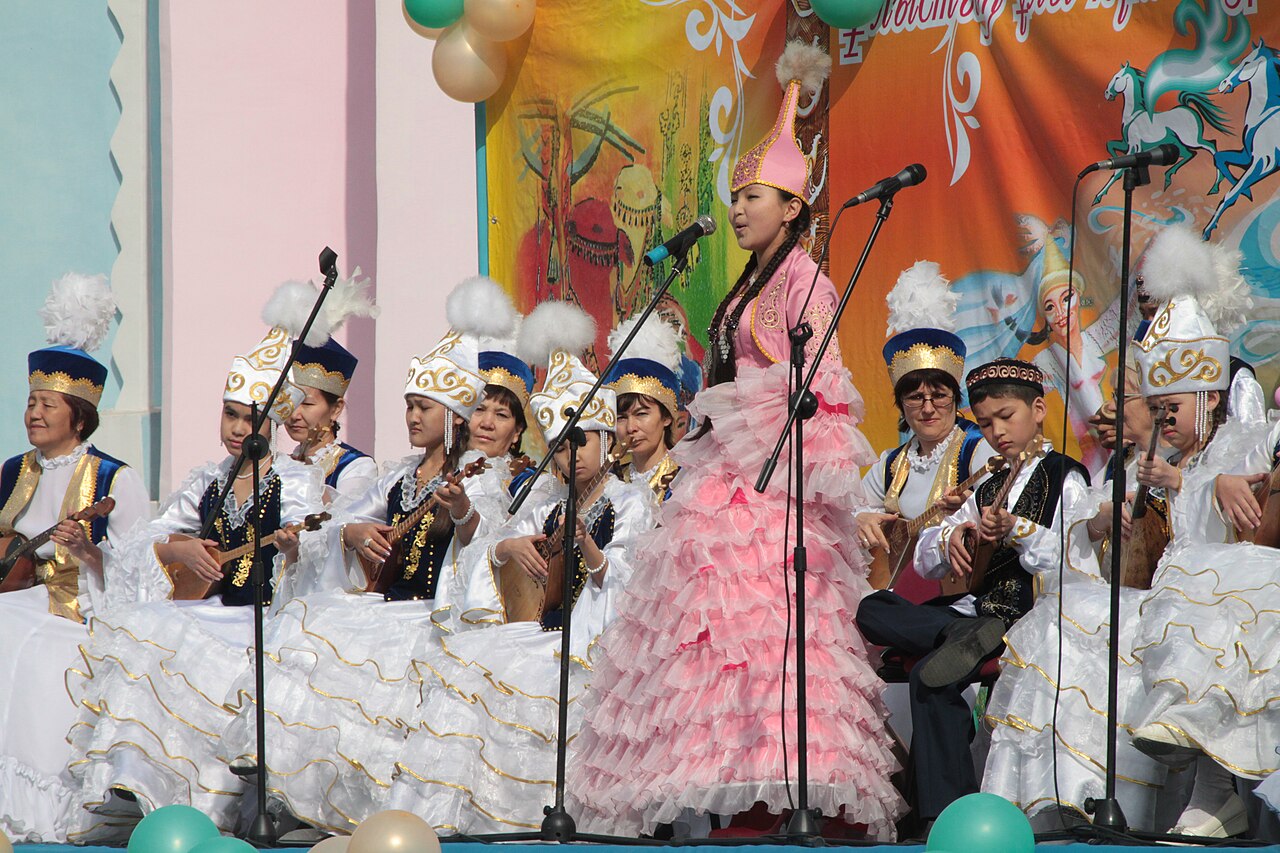
Expect open-air concerts, folk music, wrestling (kurash) and horse games, craft stalls, and a great deal of food, from plov to samsa. Tashkent’s Navruz Park and Samarkand’s Registan area are focal points, but even small towns hold something. The flip side: many government offices, some museums and a share of restaurants close on the public holiday itself, and intercity transport and hotels book out well ahead. If Navruz is your reason for visiting, treat it like a peak date, not a spontaneous stop. Our wider seasonal notes in the best time to visit Uzbekistan guide line up well with the Navruz window, since late March is one of the loveliest stretches of the year anyway.
Independence Day, 1 September
Independence Day marks Uzbekistan’s 1991 declaration of independence from the Soviet Union and is the country’s largest state celebration. The centerpiece is a televised gala in Tashkent, typically staged at Alisher Navoi National Park or a major stadium, with mass choreography, fireworks and speeches. Around it, cities put on concerts and public events, and the mood is festive rather than solemn.
For travelers, the practical notes are similar to Navruz. Government buildings and many businesses close on 1 September, security is heavier around official venues in the capital, and some central streets in Tashkent may be restricted for rehearsals and the event itself. It is a good time to be in a smaller city if you want to keep sightseeing, and a good time to be in Tashkent if you want the spectacle. Early September also brings the tail of summer heat, so it pairs naturally with the shoulder-season strategy we outline elsewhere.
Silk & Spices Festival, Bukhara
If you want one festival that rewards planning a whole trip around it, this is a strong candidate. The Silk & Spices Festival turns the old town of Bukhara into a living Silk Road market for a few days at the end of May, usually spilling into early June (last checked: July 2026). Exact dates shift year to year and are confirmed fairly late, so verify before you commit flights.
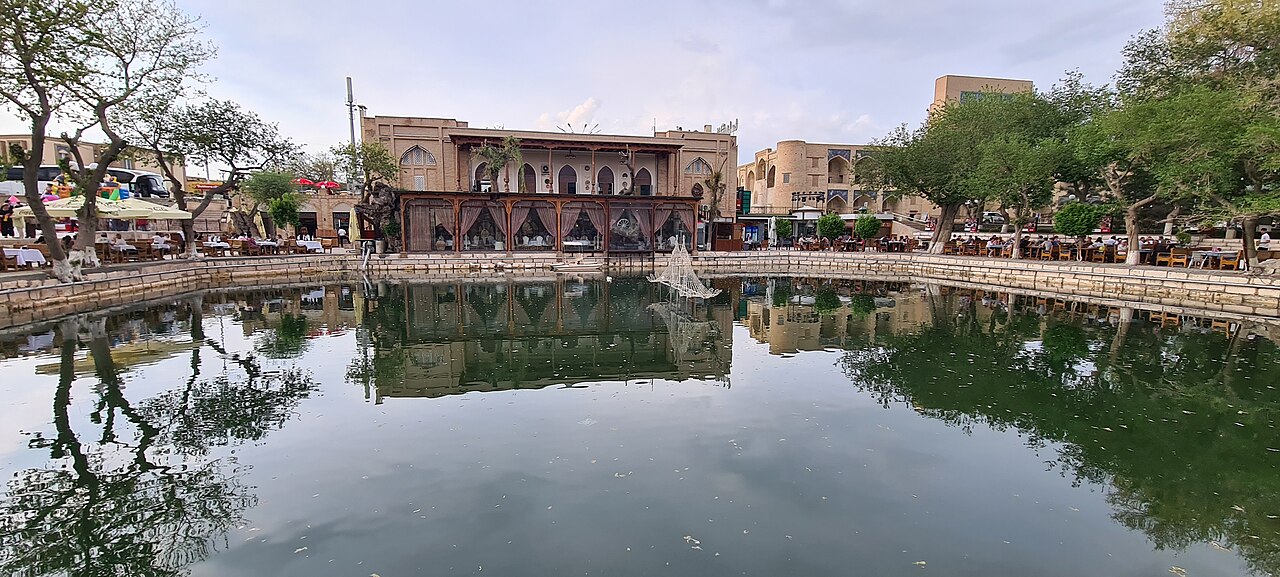
The festival opens with a costumed parade from the Ark Fortress to the Lyabi-Hauz pool, and the days in between fill with artisan demonstrations, ikat weaving, gold embroidery, wood carving and ceramics, plus folk music, food stalls and a general trade-fair energy. It is one of the best opportunities to buy directly from craftspeople and to see Bukhara’s architecture doing what it was built for. Because it draws domestic and international visitors, Bukhara’s hotels tighten quickly during festival week; book early and consider basing yourself here for several nights using our Bukhara travel guide.
Boysun Bahori and the folklore festivals
Boysun Bahori (“Boysun Spring”) is a folklore festival held in the mountainous Surkhandarya region in the south, typically in April or May. Boysun’s traditional culture is itself UNESCO-recognized, and the festival showcases oral epics, ritual performance, regional costume, music and equestrian games in a landscape that feels far from the tourist trail. It runs on a variable schedule rather than a fixed annual date, so it takes more effort to catch, but for travelers interested in living tradition rather than staged shows, it is among the most rewarding events in the country. Reaching Boysun requires more planning than the main cities; it is a trip for those already comfortable with rural Uzbekistan.
Melon festivals and the harvest season
Uzbekistan is famous, at home and historically along the Silk Road, for its melons, and the late-summer harvest is celebrated with melon festivals in growing regions such as Khorezm around Urgench. These are looser, more local affairs than the headline festivals: expect market stalls piled with dozens of varieties, tastings, and a chance to understand why Uzbeks talk about their melons with real pride. Dates cluster in August and September and are announced regionally rather than nationally, so treat them as a happy bonus if your route lines up rather than a fixed anchor. They fold neatly into an autumn itinerary alongside the best things to do in Uzbekistan.
Ramadan and Eid: what to know
Uzbekistan is a majority-Muslim country with a relatively secular public life, so Ramadan is observed but rarely disruptive for visitors. In 2026 the fasting month runs roughly from mid-February to mid-March, with Ramadan Hayit (Eid al-Fitr) marked around 20 to 23 March, essentially overlapping with Navruz this year, and Kurban Hayit (Eid al-Adha) around 27 to 31 May (last checked: July 2026).
During Ramadan, restaurants and cafes generally stay open through the day and tourists are not expected to fast, though it is courteous to be discreet about eating, drinking and smoking in front of those who are. Evenings come alive around iftar, the fast-breaking meal, which can be a warm time to be out. On the Eid holidays themselves, expect family gatherings, some business closures, and busy travel as Uzbeks visit relatives. A little awareness of local norms goes a long way; our Uzbek culture and etiquette guide covers dress, hospitality and mosque visits in more detail.
Month-by-month festival table
A quick reference for planning. Islamic holidays shift roughly 10 to 11 days earlier each year, and several cultural festivals confirm dates late, so always reverify before booking (last checked: July 2026).
| Month | Festival / holiday | Where | Notes |
|---|---|---|---|
| January | New Year’s Day (1 Jan) | Nationwide | Public holiday; quiet, cold season |
| February–March | Ramadan (fasting month) | Nationwide | 2026: approx. mid-Feb to mid-Mar; minimal disruption |
| March | Navruz (spring equinox) | Nationwide | Main day 21 Mar; biggest cultural celebration |
| March | Ramadan Hayit / Eid al-Fitr | Nationwide | 2026: approx. 20–23 Mar; overlaps Navruz |
| April–May | Boysun Bahori folklore festival | Surkhandarya (south) | Variable dates; rural, tradition-focused |
| May–June | Silk & Spices Festival | Bukhara | Late May into early June; parade and crafts |
| May | Kurban Hayit / Eid al-Adha | Nationwide | 2026: approx. 27–31 May; family holiday |
| August–September | Melon and harvest festivals | Khorezm, growing regions | Local, seasonal; dates announced regionally |
| September | Independence Day (1 Sep) | Nationwide (Tashkent gala) | Largest state celebration; fireworks, closures |
| October | Teacher’s Day (1 Oct) | Nationwide | Observed holiday; mild autumn travel season |
| December | Constitution Day (8 Dec) | Nationwide | Public holiday; winter low season |
Planning around festivals
Festivals reward you with atmosphere and cost you convenience, and it helps to decide in advance which trade you want. A few things we have learned to weigh:
- Book far ahead for headline dates. Navruz, Independence Day and the Silk & Spices Festival drive up hotel prices and fill trains, especially the fast Afrosiyob services between Tashkent, Samarkand and Bukhara. Reserve accommodation and intercity tickets weeks out, not days.
- Plan for closures on public holidays. On Navruz, Eid days and 1 September, some museums, government offices and shops shut or run short hours. Build a flexible day around outdoor sights and festival events rather than ticketed interiors.
- Verify dates late and twice. Islamic holidays depend on the lunar calendar and moon sighting, and cultural festivals like Silk & Spices confirm dates only a couple of months out. Check official tourism sources before locking flights.
- Use the crowds, or dodge them. If you want spectacle, aim for the host city on the peak day. If you want quiet monuments, be in a different city that day; the country is large enough that one town’s festival barely touches the next.
- Expect warm hospitality. Festivals are when strangers are most likely to invite you to share food. Say yes where you comfortably can; it is often the best part of the trip.
For date confirmation, the national tourism portal at uzbekistan.travel and reference calendars such as Advantour’s holiday listing are useful starting points, though we still cross-check anything we are booking around.
Frequently Asked Questions
When is Navruz in Uzbekistan in 2026?
Navruz falls on 21 March 2026, with official celebrations concentrated across roughly 20 to 24 March in parks, squares and concert halls nationwide. Book accommodation and trains well ahead, as it is one of the busiest travel windows of the year (last checked: July 2026).
Is it a good idea to visit Uzbekistan during a festival?
Yes, if you plan for it. Festivals give you music, crafts, food and a genuine sense of local life you cannot schedule any other way. The costs are higher prices, fuller trains and some closures on the holiday itself. If you book early and stay flexible on the peak day, the trade is well worth it.
Will attractions be closed during Navruz or Independence Day?
Some will. Government offices and a share of museums, shops and restaurants close on the main public holidays, and central Tashkent sees road restrictions around Independence Day events. Outdoor sights, squares and festival grounds stay open and lively, so plan those days around them.
Does Ramadan affect travel in Uzbekistan?
Only mildly. Uzbekistan’s public life is fairly secular, restaurants stay open during the day, and tourists are not expected to fast. It is polite to be discreet about eating and drinking near those who are, and evenings around iftar can be a pleasant time to be out. Eid days bring family gatherings and busier domestic travel.
Which festival is best for seeing traditional crafts?
The Silk & Spices Festival in Bukhara, held at the end of May, is the standout for artisans. You can watch ikat weaving, gold embroidery, ceramics and wood carving, and buy directly from makers. Navruz markets and the Boysun Bahori folklore festival are strong alternatives for craft and tradition.
How far ahead should I book for festival dates?
For the major dates, reserve hotels and fast trains several weeks to a couple of months in advance, especially in the host city. Fast train seats between Tashkent, Samarkand and Bukhara sell out first. Because some dates confirm late, book refundable rates where you can while you wait for final schedules.
Uzbekistan’s festivals are less a sightseeing add-on than a way of meeting the country on its own terms. Whether you time your trip to stir a pot of sumalak at Navruz or stumble into a melon market in September, the celebrations are where the culture stops being something behind glass and starts being something you are handed a bowl of. Plan the logistics early, then leave room to be surprised.
Featured image: Stomac (CC BY-SA 3.0) via Wikimedia Commons.